Expensive Watches and the Details That Make Them Worth Considering
A watch can serve as a practical item for everyday use, act as a statement of personal style, or be a piece of craftsmanship that has significance over the years. Certain expensive watches fetch extremely high prices due to their complicated movements, the use of valuable materials, their limited production, or their reputation amongst collectors. In other cases, the premium they carry is mainly the result of their brand identity and design.
If you understand the differences, shopping for a watch becomes a lot simpler. Whether or not you are buying your first high-end timepiece or are adding a further watch to your existing collection, being aware of the factors that affect its price can help you select one that matches your taste, your way of life, and your budget.
Key Takeaways
-
The level of craftsmanship is important; the design of the movement, the finishing, the materials used, and the quality control all have an effect on the watch's price.
-
Brand prestige is only one of the factors; although a well-known name may add value, it doesn't automatically imply that a watch provides better performance.
-
Just because something is expensive doesn't mean that it is more practical; a watch that is well made and sold at a reasonable price can just as well meet ordinary requirements as a luxury model.
-
When looking at the total cost of ownership, remember that expenses such as servicing, repairs, replacing the straps and paying for insurance can be added to the original purchase price.
-
There is no guarantee as to the resale value, since factors such as demand, condition, authenticity, rarity, and market trends all affect the price at which the watch might later be sold.
-
The choice should be based on personal preference since comfort, design, reliability, and the way it is intended to be used are just as important as the price.
What Makes Expensive Watches Different From Ordinary Timepieces
The cost of a watch is based on a number of factors rather than on one single indication of quality; these factors may be the movement, the materials, the way it is constructed, its design, the manufacturing process, the brand's reputation, and the demand for that particular model. A watch made using precious metals together with a complicated mechanical movement has different production requirements from a simple quartz watch.
Yet the price by itself doesn't give the full picture; two watches which are priced very differently may both offer reliable timekeeping and attractive designs but could be aimed at different markets. If you intend to pay a premium, think carefully about what you are actually obtaining and look through the range of watches offered at The Watches Men to compare the various styles, features, and prices.
The Movement Inside the Case Can Make a Difference
The mechanism in a watch is what enables it to keep time and carry out its various functions. In the case of quartz movements, an electronic oscillator is used and this oscillator is regulated by a quartz crystal; mechanical movements,on the other hand, make use of a series of parts which are powered by a wound mainspring. Automatic watches are a type of mechanical watch which winds itself as a result of the motion of the wearer's wrist, even though a large number of them also allow for manual winding.
The engineering, assembly, adjustment and finishing needed for high-end mechanical movements can be substantial, and extra features such as a perpetual calendar, a chronograph or a tourbillon can make the construction more difficult. Yet this does not mean that a complex movement is the best option for every buyer; if you find pleasure in observing the mechanical parts operating, you should look at the automatic watches collection and compare the various designs and functions.
Materials Influence Appearance, Durability, and Cost
The appearance, weight, wear resistance and manufacturing cost of a watch are all influenced by the materials used. Stainless steel is popular since it provides a reasonable combination of strength, resistance to corrosion and everyday usefulness. Titanium is lighter than steel, and although ceramic can give good scratch resistance it may be more prone to damage if hit by a hard object.
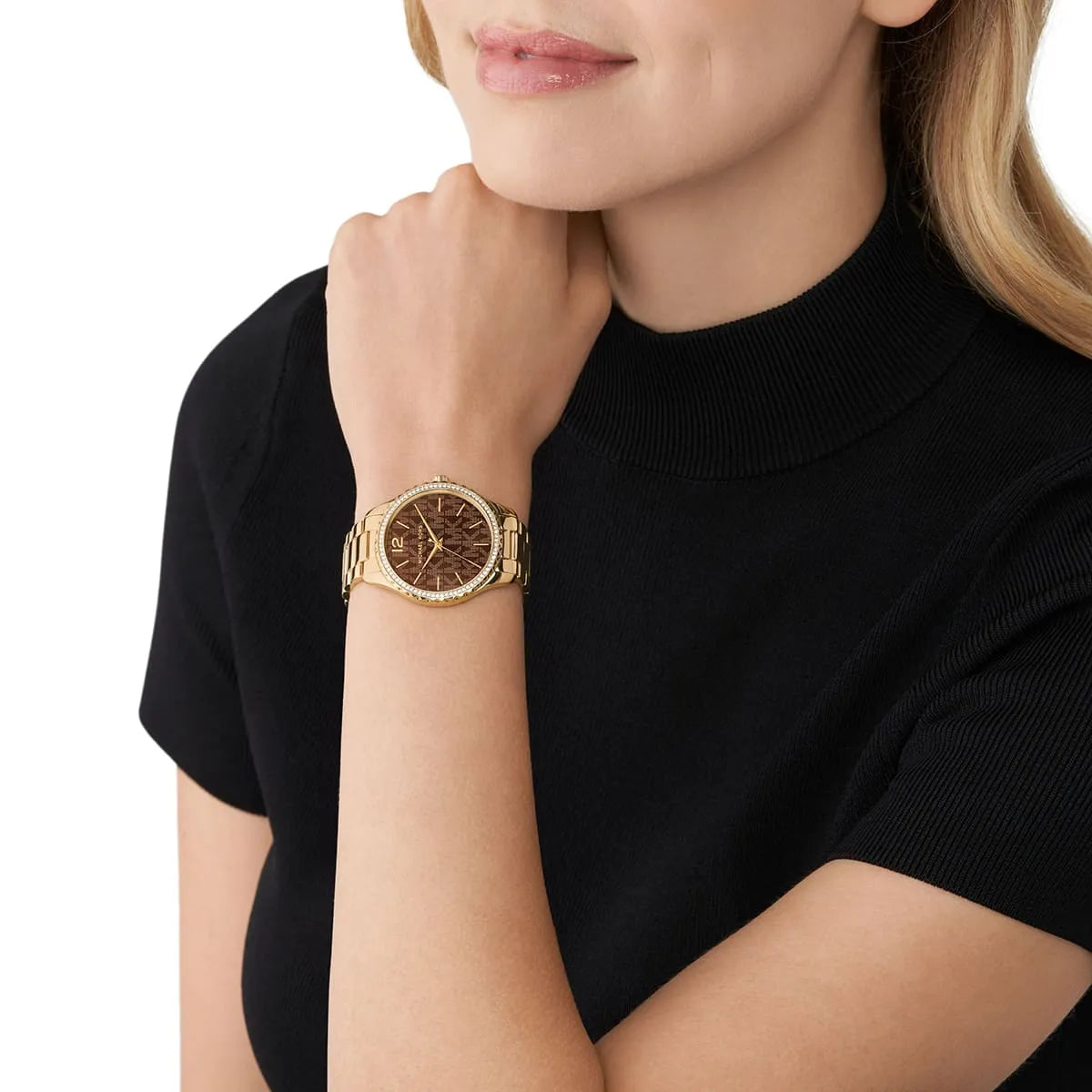
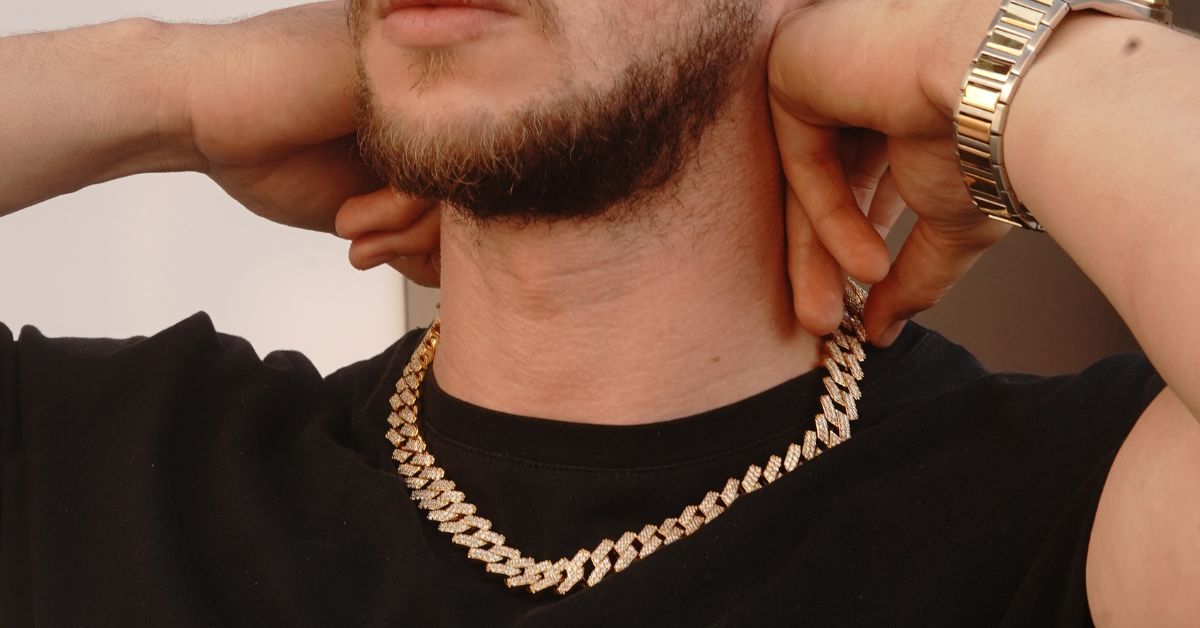
Since gold and platinum are precious metals, they can greatly raise the cost of the materials. Sapphire crystal is often used in high-end watches since it resists scratching better than a number of other materials, even though it can still be damaged. The most suitable material will vary according to how you plan to wear the watch; for instance, someone who wants a watch that makes a bold statement might prefer the gold-tone finish, whereas a person who wears the watch every day might prefer a sturdy case and a comfortable bracelet.
Brand Heritage and Design Can Add to the Price
The history of a watchmaker, the design of his watches, his skills in manufacturing and his standing with watch enthusiasts can all have an effect on the price. Although some well-known luxury brands make their movements and parts themselves, other brands obtain their movements from specialist suppliers. Neither of these methods by itself is enough to tell whether a watch offers good value, which is why it is useful to examine the specifications of the particular model.
Designer watches also have a significant position in the market; they usually highlight individual styling, well-known branding, and the ability to match with everyday clothing. It is not necessary for a watch to be made by a conventional haute horology manufacturer in order for an outfit to appear thought out. If you want ideas, look at men's watches and then compare various case shapes, dial colours, bracelets, and strap styles before choosing a particular design.
Complications Can Add Function and Complexity
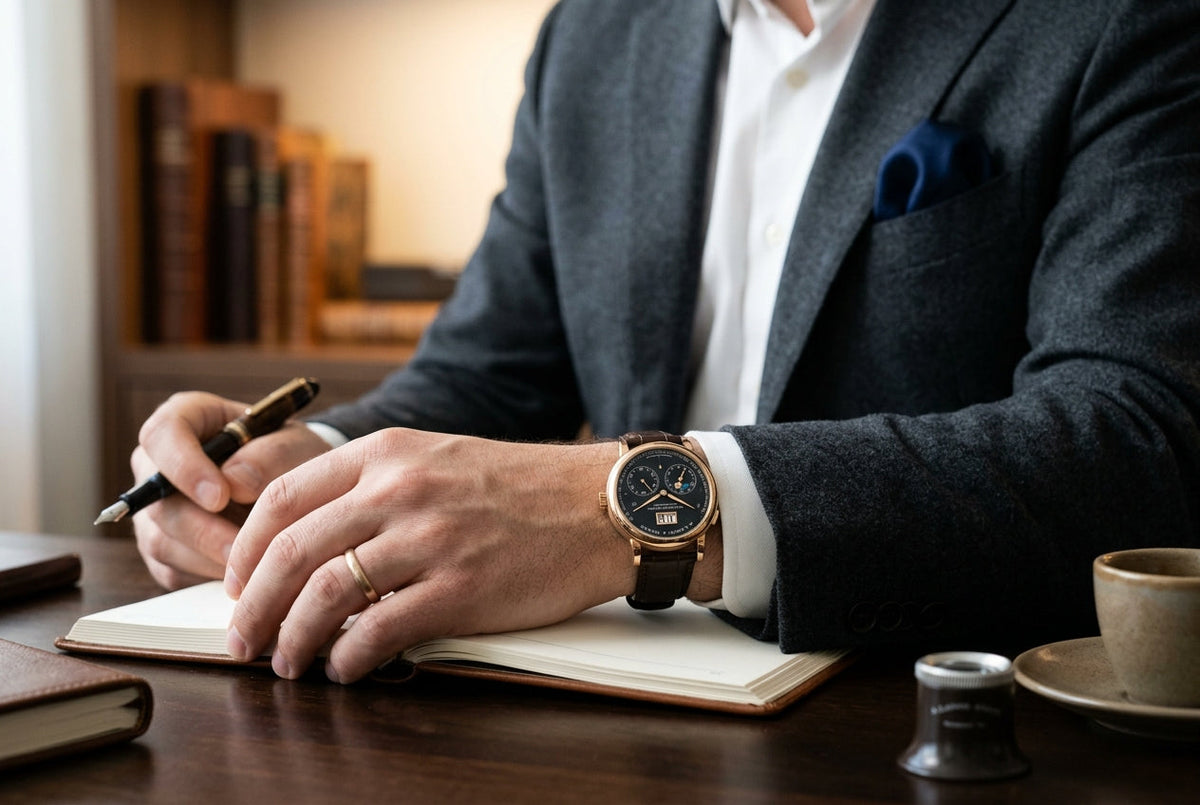
In the field of watchmaking, any feature that goes beyond the simple showing of hours, minutes, and seconds is known as a complication. Typical examples are a date indicator, a chronograph used for measuring the time that has passed, a second time zone, and an indication of the moon phase. Complications of a more advanced nature may demand complex mechanisms and special assembly.
Although these functions may be useful, their worth is going to depend on the individual wearer. A chronograph might attract a person who needs a watch with a timing function, while a simple three-hand watch is probably easier to read and more appropriate for a minimalist wardrobe. If you are comparing watches, you should tell the difference between those functions which you will actually use and those features which mainly appeal to you aesthetically.
Luxury, Designer, and Premium Watches Serve Different Preferences
In marketing the terms luxury, designer, and premium are frequently used as if they were identical, even though they do not always refer to the same thing. In the case of luxury watchmaking the stress is usually laid on craftsmanship, technical expertise, finishing, heritage and, in some instances, on the use of precious materials or on exclusivity. Designer watches on the other hand tend to concentrate more on fashion, on having a distinct style and on the brand's identity. Premium watches can combine good quality construction, useful features and an improved design without however reaching the highest luxury price levels.
There isn't a general price point which divides these categories; it is more helpful to look at the watch itself rather than depending on the label it has. Think about what is most important to you—for example, mechanical engineering, an elegant dress-watch design, a bold chronograph, or versatility as a accessory. You might also take a look at the women's watches collection for a variety of styles, ranging from simple everyday ones to more ornate designs.
How to Judge Value Before Buying an Expensive Watch
The first step in making a sensible purchase is to have a clear understanding of what you want from your watch. You should consider how frequently you'll wear it, the situations in which you'll be using it, the size that seems comfortable, and the features that are necessary for you. A watch that is mainly bought for formal events will have different priorities from one that is intended for travel, outdoor activities, or daily work.
It would also be useful to compare the specifications rather than depending on the original retail price or the advertised discount. You should look at the movement type, the case material, the crystal, the water-resistance rating, the warranty conditions, and the availability of servicing. When looking at a number of different watches, the men's automatic watch selection can serve as a good starting point for examining mechanical designs and their stated features. Instead of thinking that the most expensive model will give you the greatest satisfaction, select the one that best suits your needs.
Ownership Costs Continue After the Purchase
The price at which a watch is bought is only one part of the total cost of owning it. Mechanical watches will often need periodic servicing, the frequency and cost of which will vary according to the movement, the manufacturer's recommendations, the condition of the watch and how it is used. Quartz watches will need their batteries to be replaced at some point, and all watches can to some extent require repairs, strap replacements or adjustments to the bracelet after a period of time.
Water resistance should also be taken into account. A rating doesn't mean that every watch is suitable for swimming or diving, and the level of resistance can vary as the seals wear out or when the watch is damaged. You should follow the manufacturer's instructions and have the watch examined when it's necessary. Before you make a purchase, check the seller's authenticity and warranty information so that you know what coverage applies and what kind of support might be available should any problems occur.
Do Expensive Watches Hold Their Value Over Time
Although some watches enjoy high demand in the second-hand market, this does not imply that all expensive watches will increase in value. The resale price of a watch can be affected by the brand's reputation, the popularity of the model, the number produced, its condition, its service history, its originality, the presence of documentation, and general economic conditions. The prices at which watches are sold in shops and the prices on the secondary market can be very different.
The fact that a small number of watches have been produced does not mean that there will be future demand for them, and a high original retail price does not guarantee a good resale value. Those who are thinking of buying a watch with the intention of collecting it should look at the results of previous sales for the specific reference, take into account the transaction costs, and must not regard any future increase in value as certain. For the majority of people, it is more sensible to purchase a watch which they actually enjoy wearing than to rely on it as an investment.
Finding a Watch That Feels Worth the Price
The most enjoyable watch to buy is the one which fits with your everyday life and your personal style; while some people place a high value on the complexity of a mechanical movement, others go for the convenience offered by quartz, and a lot of people just want a unique design that matches their wardrobe. A different preference can result in a good choice at a different price level.
Take the time to compare the specifications, evaluate the comfort, and get a clear understanding of the obligations involved with owning one. Although The Watches Men has a variety of watch styles and brands that you can look over, the final decision will depend on what is most important to you. A watch does not need to be the most expensive in the room to become the one you reach for every day.
Frequently Asked Questions
What is considered an expensive watch?
There is no universally accepted price that makes a watch expensive. The term can mean different things depending on a buyer's budget and the market being considered. In general, watches described as expensive or luxury tend to command higher prices because of their materials, movement, craftsmanship, brand positioning, rarity, or a combination of these factors.
Are expensive watches always better quality?
No. A higher price may reflect sophisticated engineering, premium materials, specialised finishing, or brand prestige, but it does not automatically guarantee better timekeeping, durability, or value. Compare the specifications, construction, warranty, and intended use of each model before making a decision.
Are automatic watches worth the extra cost?
An automatic watch can be worthwhile if you appreciate mechanical engineering and prefer a watch that winds through wrist movement. It may also appeal to collectors who enjoy the mechanism itself. However, automatic watches generally require more maintenance than simple quartz watches, and the best option depends on your priorities.
Do expensive watches make good investments?
Some watches have performed well in the secondary market, but future resale value is uncertain. Demand, condition, rarity, authenticity, servicing history, and market changes all matter. Buy primarily because you appreciate the watch, unless you have independently researched the financial risks of collecting.
How can I tell whether an expensive watch is authentic?
Check the seller's reputation, the exact model reference, the watch's serial or identification details where applicable, and the consistency of its specifications and finishing. Documentation can be helpful, but boxes and papers alone do not conclusively prove authenticity. For a valuable pre-owned purchase, consider an assessment by a qualified watchmaker or an appropriate authentication specialist.
How often should an expensive watch be serviced?
There is no single servicing interval for every watch. Follow the manufacturer's recommendations for the specific movement and model, taking into account its age, use, condition, and service history. If you notice unusual timekeeping, moisture under the crystal, damage, or problems with the crown, seek professional advice rather than waiting for a routine service.
Should I buy an expensive watch for everyday wear?
You can, provided the watch suits your lifestyle and you are comfortable with the care it requires. Consider its case size, weight, water resistance, crystal, strap or bracelet, and exposure to knocks or harsh conditions. A practical everyday watch should be comfortable and appropriate for the activities you regularly undertake.
What should I check before buying an expensive watch online?
Review the full specifications, final price, shipping arrangements, return conditions, warranty terms, authenticity information, and seller contact details. Make sure the photos and product description match the exact model you intend to purchase. If anything important is unclear, ask the seller for clarification before placing your order. For details about product guarantees, you can also review The Watches Men's authenticity and warranty information.

Written by Kareem Elboray